WHAT THIS SIMULATION PRESENTS
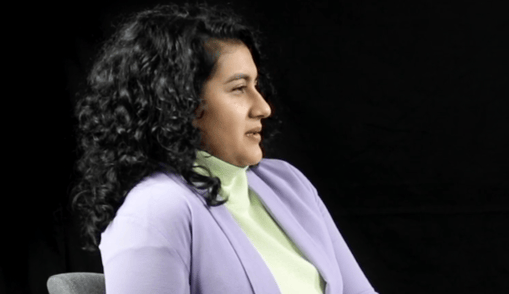
- The patient describes gambling as a means of financial recovery while minimizing the frequency and severity of his behavior
- The client presents with a pattern of sleep disruption tied directly to late-night casino visits, which he initially frames as the reason for tiredness, not gambling itself
- The patient describes driving past a casino for the feeling of control it offers, and characterizes this as purposeful, not compulsive
- The client acknowledges lying to his spouse about money on at least one occasion while framing it as a single, isolated incident
- The patient references chasing losses with increasing bets and switching games when down, while describing this as strategic decision-making
- The simulation depicts a strong family history connection: early exposure to gambling through a grandfather, a first significant win at 18, and a father whose substance use ended in death, introduced but not dwelled upon
- The client expresses awareness that his behavior is damaging his marriage and contributing to stress, while simultaneously resisting framing himself as someone with a problem
WHERE THIS FITS IN YOUR COURSE
For courses covering addictive or impulse-control disorders, this simulation fits naturally into the unit where students move from DSM-5-TR criteria for Gambling Disorder to actual clinical presentation. The gap between what the criteria describe and how a patient talks about those criteria, especially in a first session, is exactly what this simulation makes observable.
The interview is also well-suited for courses covering motivational interviewing, substance use and behavioral addictions, or clinical assessment, because the session demonstrates what a clinical encounter looks like when a patient is ambivalent about whether he has a problem. Students can observe how the clinician tracks inconsistencies, reflects content back without confrontation, and allows the picture to emerge.
For psychiatric nursing, social work, and counseling programs with practicum components, this simulation may be useful during the semester before students enter field placements, particularly in programs where exposure to gambling disorder presentations is limited in clinical settings. The simulation may also support discussion in courses on family systems, given the marital and financial dynamics that surface throughout the interview.
HOW INSTRUCTORS & PROFESSIONALS MAY USE THIS
These examples are intended to support instructional planning and can be adapted based on course objectives and institutional guidelines.
- Assign the simulation as a pre-class observation exercise, asking students to note any language the patient uses that minimizes, rationalizes, or reframes his gambling behavior, then bring observations to a structured discussion
- Pair the simulation with DSM-5-TR criteria for Gambling Disorder and ask students to identify which criteria appear to be present based on what is observable in the interview
- Use the session as a written reflection prompt: What does the patient say he came to therapy for? What does the interview suggest may be the fuller picture?
- For courses covering clinical communication, assign students to identify three moments in the interview where the clinician responds to a disclosure and discuss what choices the clinician appears to be making
- In hybrid or online courses, embed the video link directly into your LMS and pair it with a discussion board prompt tied to specific observable moments
- For social work or counseling programs, this simulation may support a comparative discussion alongside substance use disorder presentations, examining how behavioral addiction presentations can differ in self-perception and help-seeking framing
WHAT STUDENTS SHOULD LOOK FOR
- How the patient frames the reason for his fatigue at the start of the session and how the fuller picture of his casino visits emerges later in the conversation
- The patient's use of control language: "I refuse," "I will not allow myself," "I have a foolproof way" and how this language functions alongside his description of ongoing losses
- The patient's description of driving past the casino on purpose and how he characterizes that behavior when asked about it directly
- How the patient describes the difference between his gambling now and gambling before he lost his job, including the shift in frequency and financial stakes
- The patient's reference to his father's death from "poisoning himself" and his stated determination not to become "that guy," introduced briefly but carrying weight
- The point in the interview where the patient acknowledges feeling more stress leaving the casino than entering it
WHAT'S INCLUDED WITH SYMPTOM MEDIA
- 1,000+ DSM-5-TR guided video simulations across diagnoses, populations, and clinical contexts, including behavioral addiction presentations
- Simulation activities and case study exercises that can be paired with this and similar films for structured observation, SOAP note practice, and written reflection
- 100+ accredited CE courses (ACCME, ANCC, ASWB ACE, APA, AAPA) that can be embedded directly into your LMS and assigned as gradable activities
- The complete Test Section, with assessment tools faculty can deploy alongside any simulation
- New releases added continuously, all included under a single student subscription