What students and clinicians may observe in this scenario
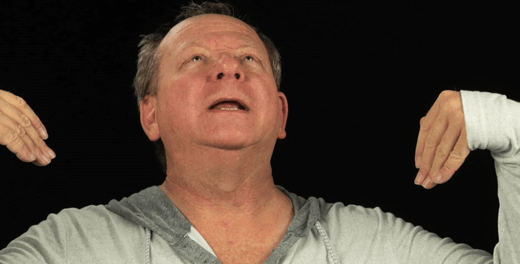
The following behaviors and patterns are visible in this simulation and can serve as a starting point for guided observation, discussion, or written reflection. They are not presented as a definitive or exhaustive representation of how this disorder presents.
- Rapid, pressured speech with abrupt topic shifts throughout the interview
- Flight of ideas - the patient moves from ECT concerns to Greek mythology to Russian infrared rays within seconds
- Paranoid ideation presented within a manic context, including concerns about surveillance and radiation exposure
- Clang associations - rhythmic word connections such as "Horowitz, Hunter, horrific witch hunt"
- Grandiosity and tangential reasoning woven through what begins as a collateral history
- Behavioral presentation that illustrates the DSM-5-TR distinction between manic episode with and without psychotic features
COURSE FIT Where this simulation is typically used
Where this simulation is typically used
- Psychiatric nursing - mood disorders and psychotic features units
- Abnormal psychology - bipolar spectrum disorders
- MSW psychopathology - differential diagnosis and case conceptualization
- Counseling programs - DSM-5-TR applied criteria
- MFT programs - clinical observation and relational context
- Psychiatry clerkship
- PsyD programs - advanced psychopathology
- CE training — mood disorders refresher for practicing clinicians
These examples are intended to support instructional planning and can be adapted based on course objectives and institutional guidelines.
WHAT EDUCATORS AND STUDENTS SAY
"One student remarked that she was so thankful for having seen the extreme highs of bipolar disorder through your video series. She stated that the video had prepared her for an in-person encounter which might have been quite unsettling otherwise." — Kathy Brooks, RN, CMA (AAMA), Psychiatric Nursing Instructor
"Having this as a tool for you as a provider and as a new provider and as a student is, in my opinion, very critical — because sometimes you need to be able to see it." — Rachel Reynolds, NP, Dual Board-Certified Psychiatric Mental Health NP
"The unveiling of the symptomology from first mention to further detailing is in parity with what we see in real life. I can attest to that as an experienced clinician." — Clinical Psychology Professor, Graduate and Undergraduate Programs
One platform. Most disorders. Every level.
Used across 500+ universities, hospitals, and training programs - from undergraduate abnormal psychology to psychiatry residency and professional continuing education. Yale, Johns Hopkins, Stanford, NYU, Georgetown, University of North Carolina at Chapel Hill, and hundreds more.
-
1,000+ clinical videos including DSM-5-TR guided simulations
-
300+ structured clinical activities
-
100+ accredited CE courses